The need for dry air: Adsorption dehumidifiers for the Army
Why humidity Is the invisible enemy in military operations
In the dynamic and often hostile environments in which defense forces operate, equipment reliability is vital. One of the most insidious threats to sensitive systems and critical infrastructure is moisture in the air. High humidity can lead to:
- Corrosion: Accelerated rust formation and degradation of metal components in weapons systems, radars, communications equipment, and vehicles.
- Condensation: Moisture can settle on internal electronics, causing short circuits, system failure, and irreparable damage.
- Mold and bacterial growth: Damage to storage materials, uniforms, and indoor air quality in enclosed spaces such as command centers or submarines.
- Reduced performance: Moisture affects the operation of pneumatic and hydraulic systems, reducing precision and responsiveness. To counter these threats, an effective, robust and consistent method of air dehumidification is essential.
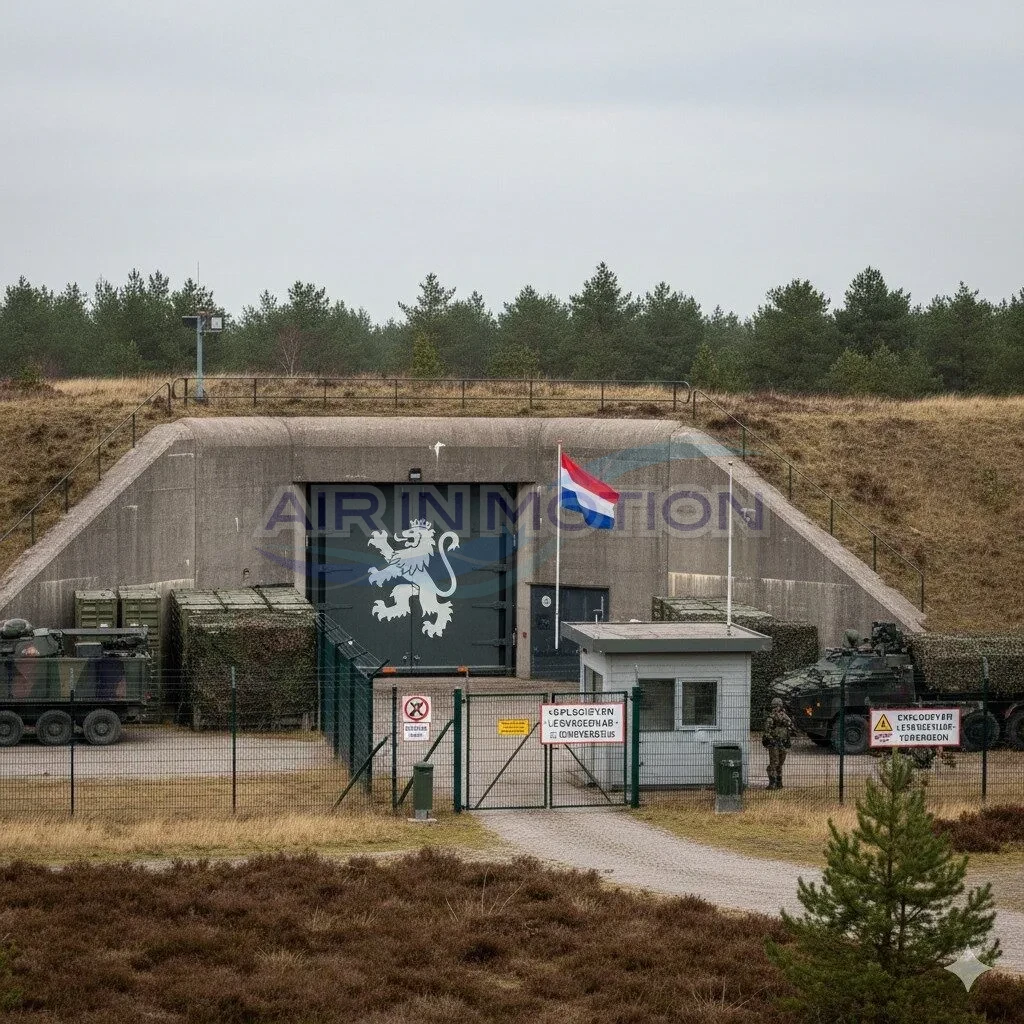
The solution: Advanced adsorption dehumidifiers
Desiccant dehumidifiers are the backbone of humidity control in critical military applications. Unlike traditional condensing dryers, which are less effective at low temperatures or in achieving extremely low dew points, desiccant dehumidifiers use a desiccant (typically silica gel) inside a rotating impeller to remove moisture directly from the air.
How it works
The process is continuous and consists of two separate air flows:
- Process air (drying): Moist air is drawn through the main part of the rotor. The desiccant adsorbs (binds) the water from the air, producing extremely dry air. This air is then directed to the room or application requiring protection.
- Regeneration air (reactivation): A smaller portion of the air is heated and directed in the opposite direction through a small segment of the rotor. The heat drives the adsorbed moisture out of the desiccant. This hot, moist air is then blown out as exhaust air.
This constant, cyclical process ensures that the desiccant remains continuously operational without interruption.
Applications within defense and military infrastructure
The unique properties of desiccant dehumidifiers — their ability to achieve extremely low dew points (down to -60ºC Tdp) and their reliability under harsh conditions — make them ideal for the following defense areas:
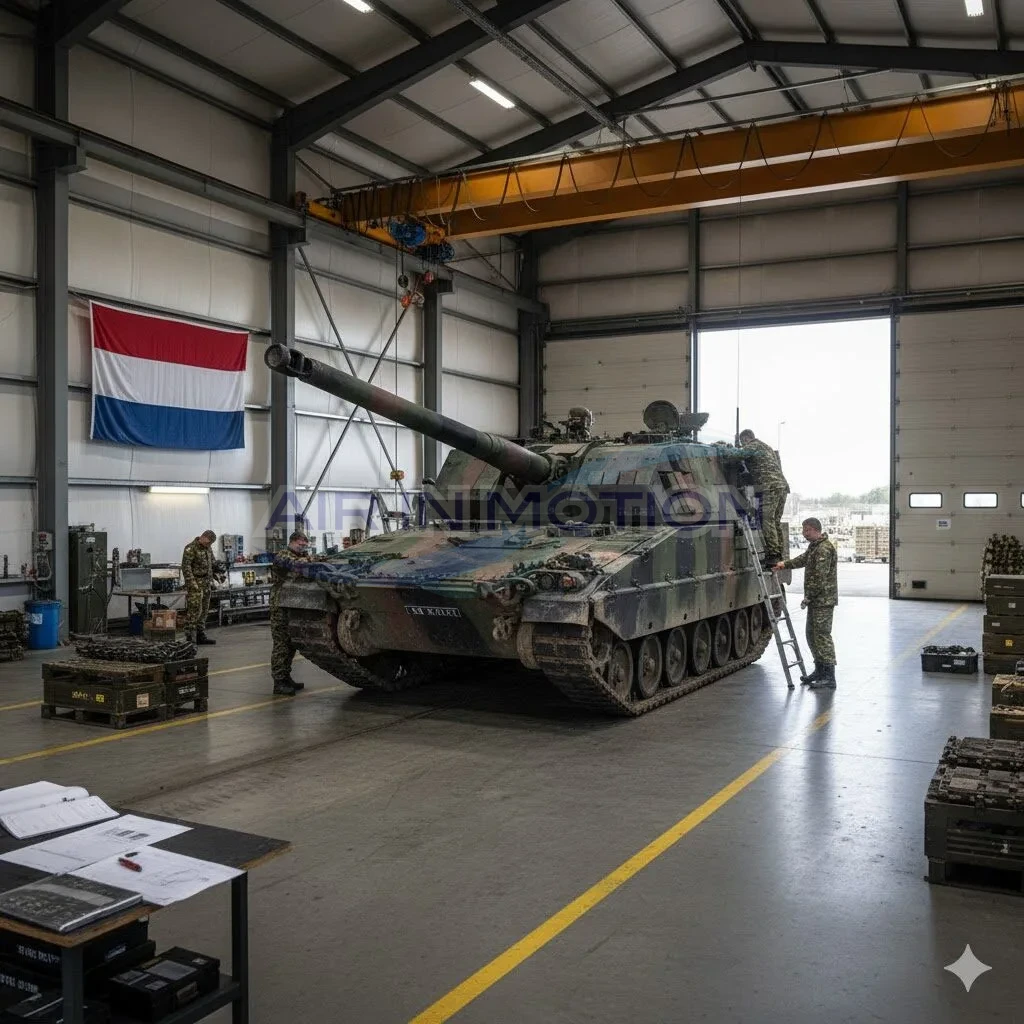
1. Sensitive Equipment Storage
- Munitions and missiles: Prevents the degradation of powder and explosives in depots and silos, ensuring safety and reliability.
- Optronic systems: Protects precision optics, night vision equipment, and lasers from fogging and mold growth during storage.
- Aircraft and vehicle hangars: Maintains the structural integrity of stored assets.
2. Operational installations
- Command centers and communications bunkers: Ensures the continuous operation of servers, radars, and communications hubs where downtime is not an option.
- Submarines and naval vessels: Controls high internal humidity through the closed environment, which is essential for the longevity of the systems and crew comfort.
3. Logistics chains
- Packaging and transport: Protects air-sensitive components and spare parts during transport through different climatic zones.
Our desiccant dehumidifiers are designed with robustness and minimal maintenance requirements in mind, perfectly matched to the stringent demands of military standards and operational deployment worldwide.
Would you like to learn more about how our tailor-made dehumidification solutions can enhance operational readiness to maximize the lifespan of your defense equipment?